Architecture trained me to listen before I design. That habit doesn't change.
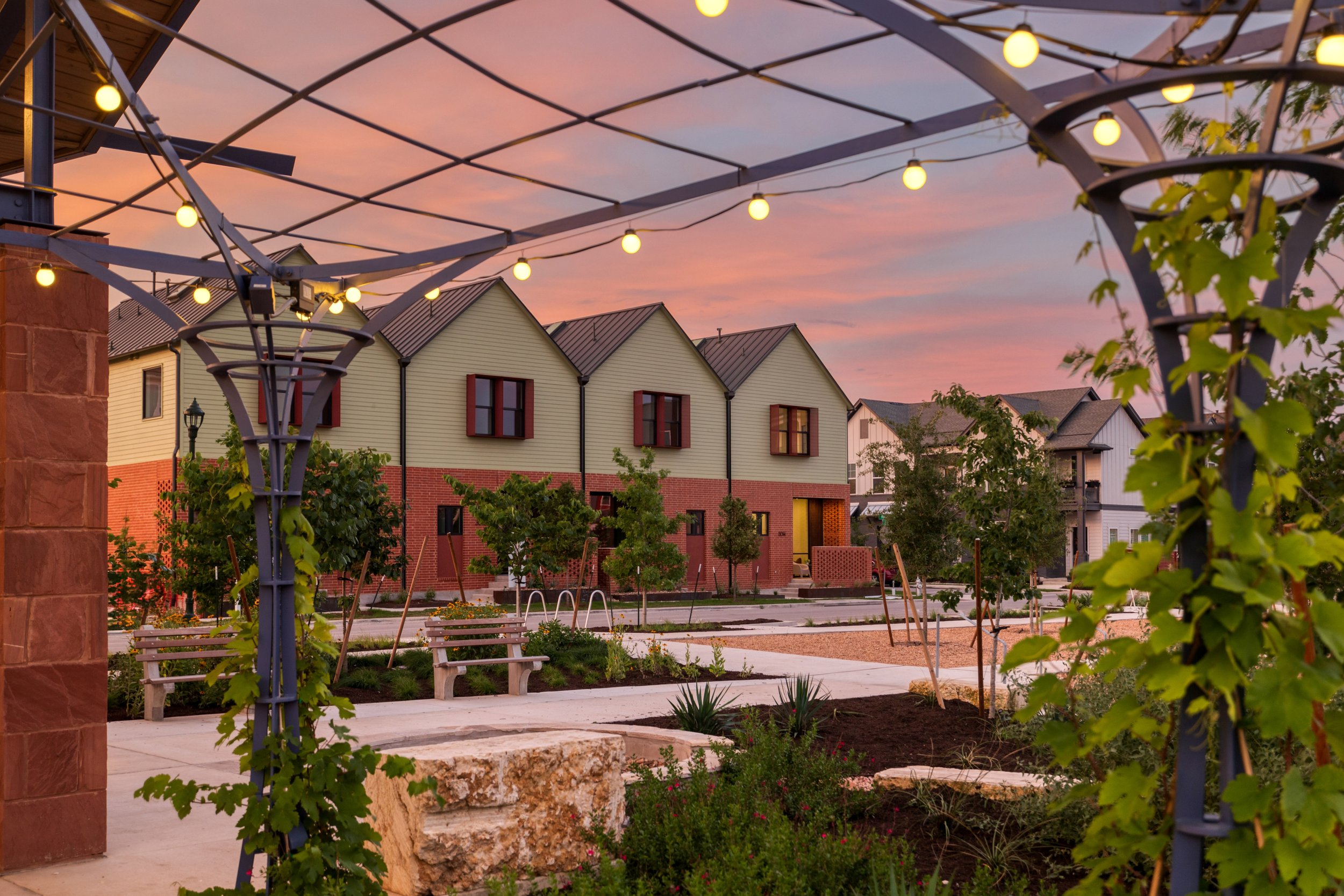
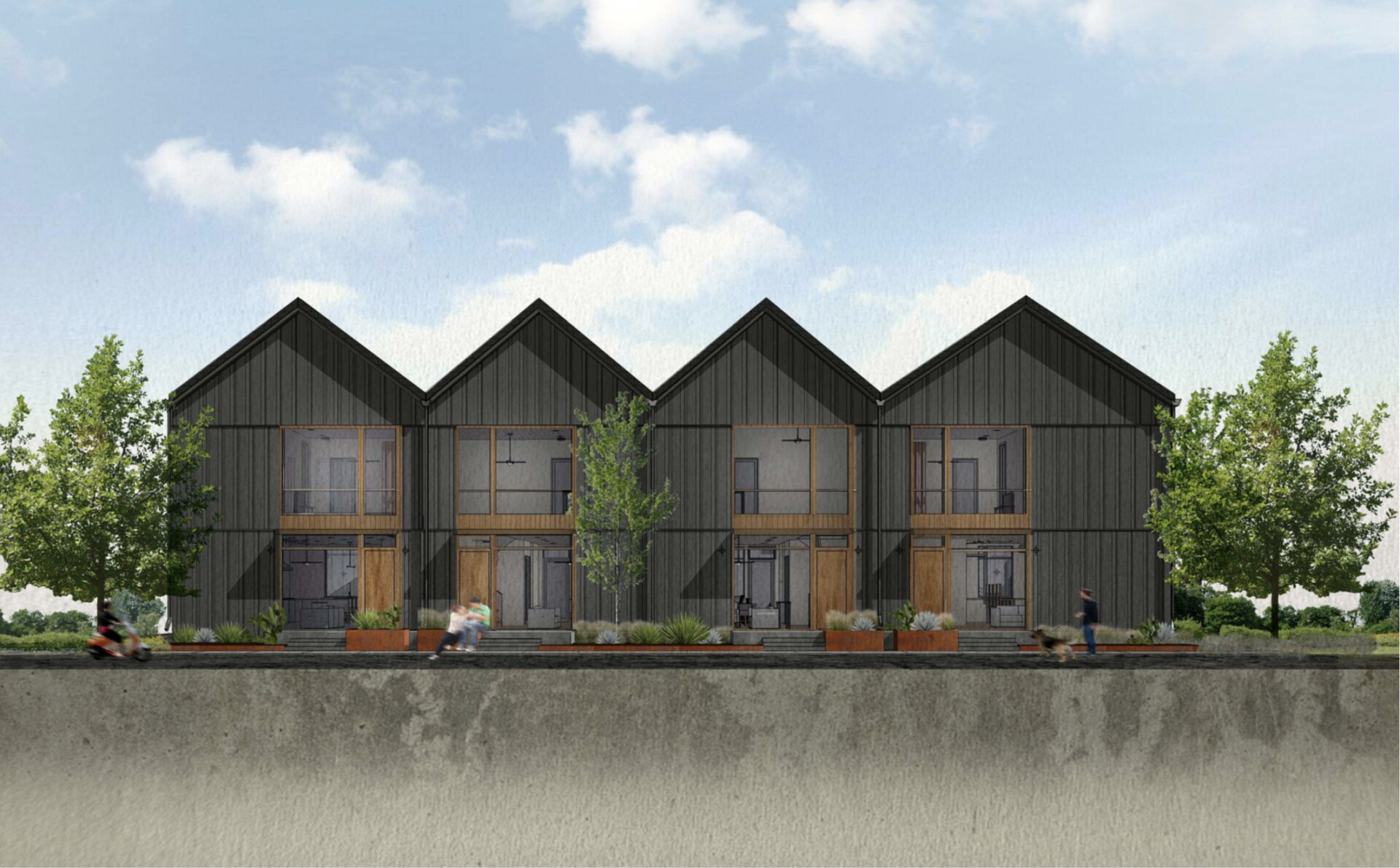
Texas-licensed architect (RA #24507) with fifteen years leading design from concept through construction, five as a partner at Clayton Korte, including a six-design rowhome catalogue at Mueller in Austin. I own material selection, value engineering, and buildability, alongside the standards that let good design scale without losing what makes it good.
Architecture work.
Fifteen years in the field, five as a partner at Clayton Korte. Clients in hospitality and commercial development. Austin, TX.
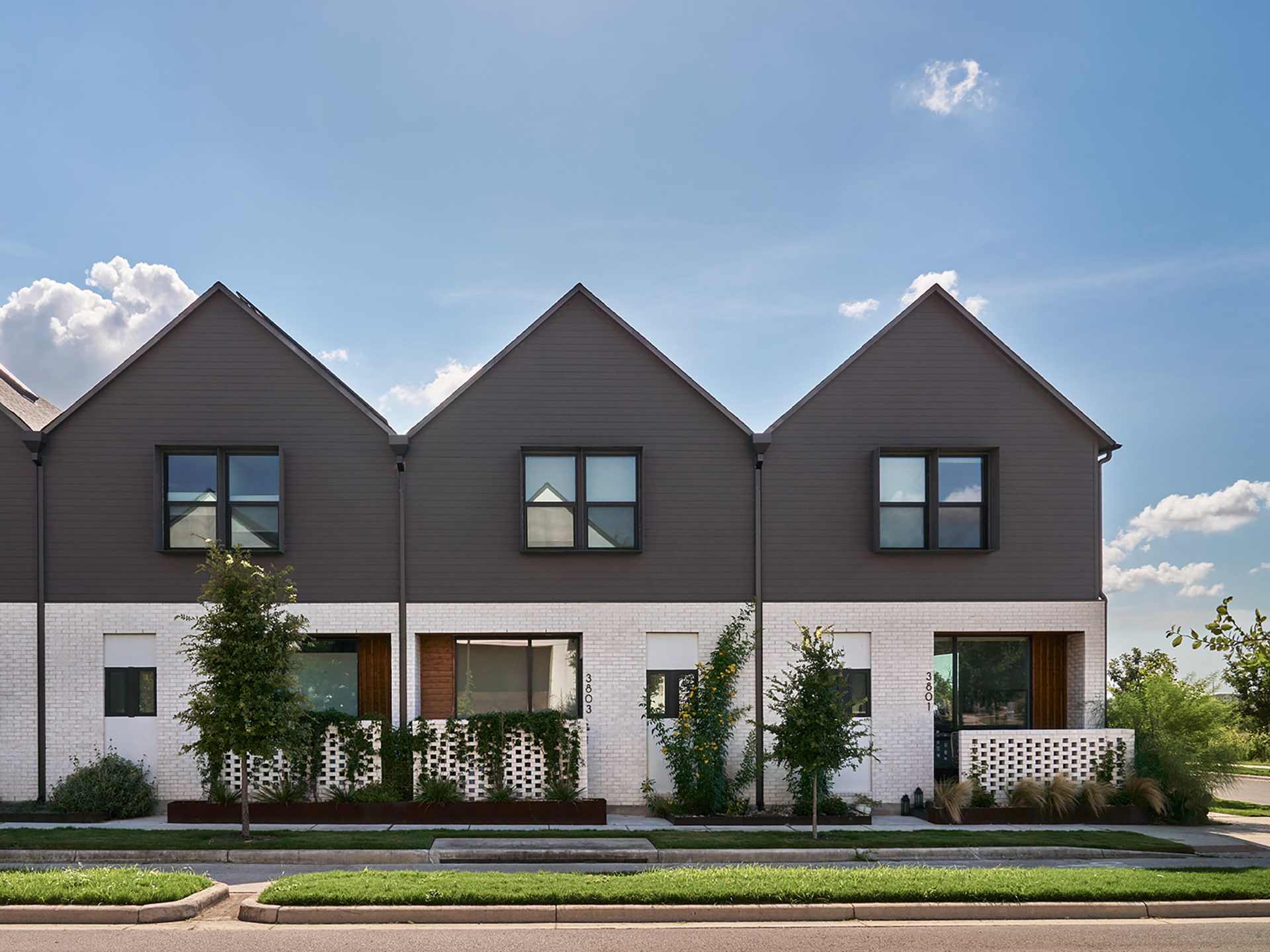
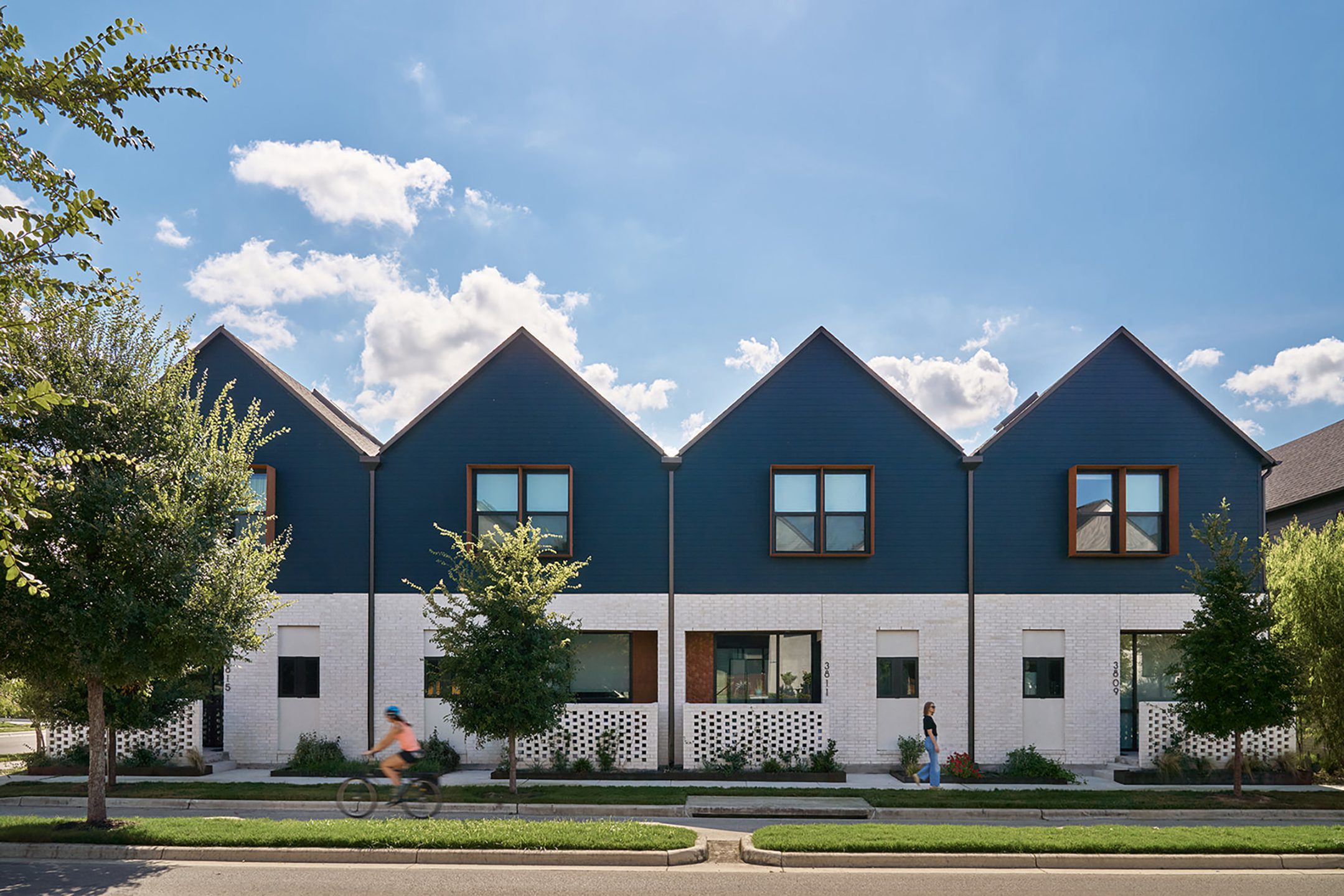
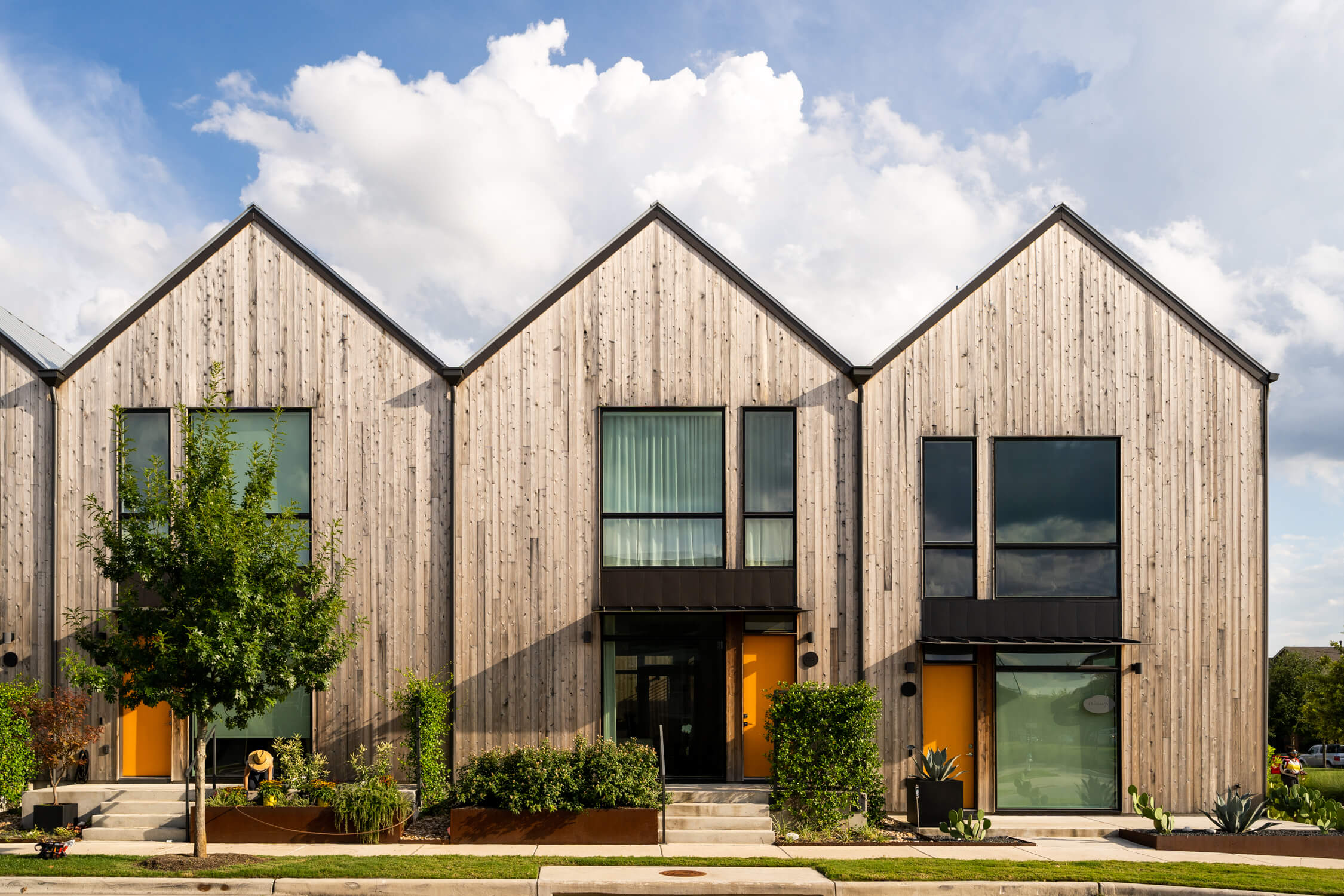
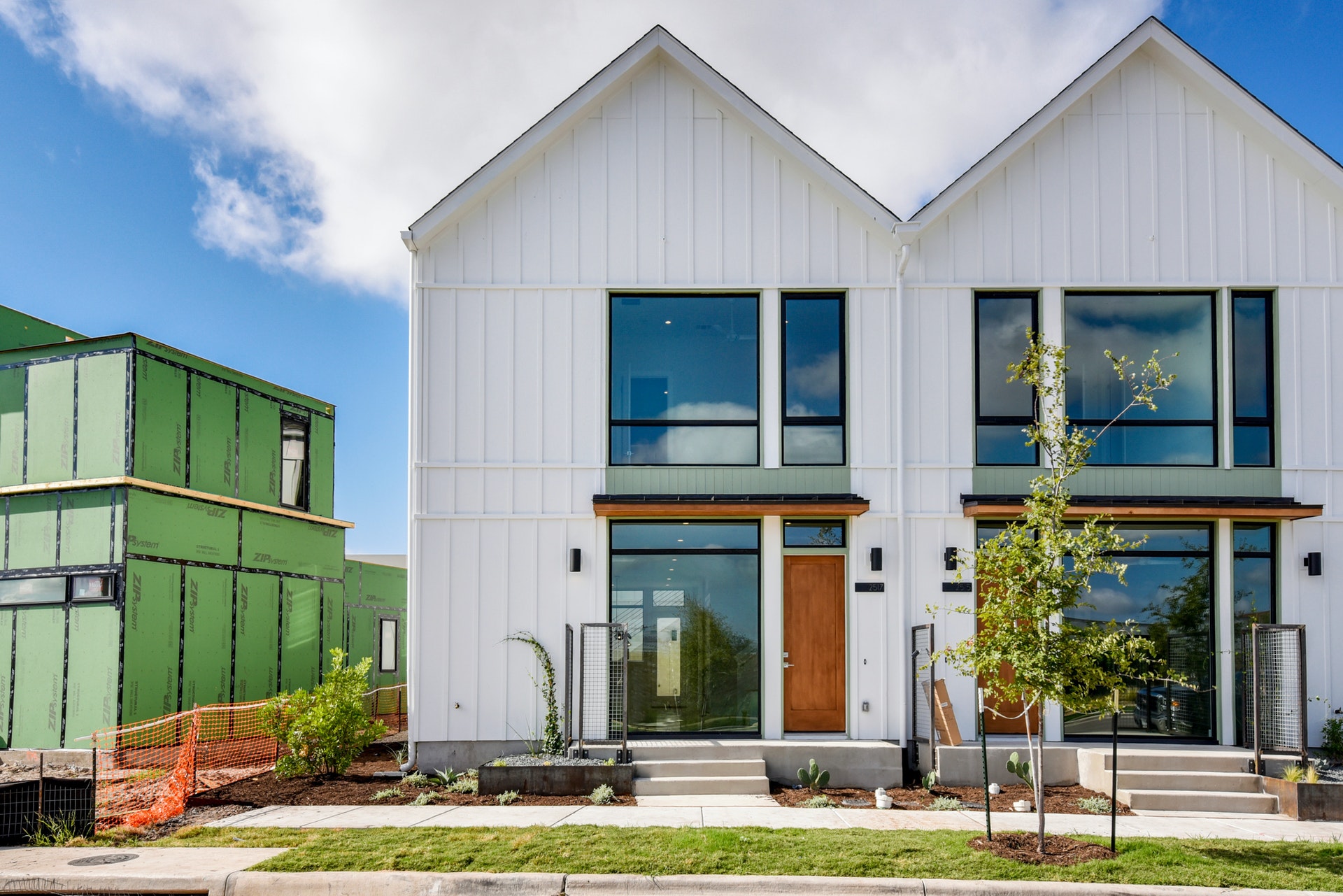
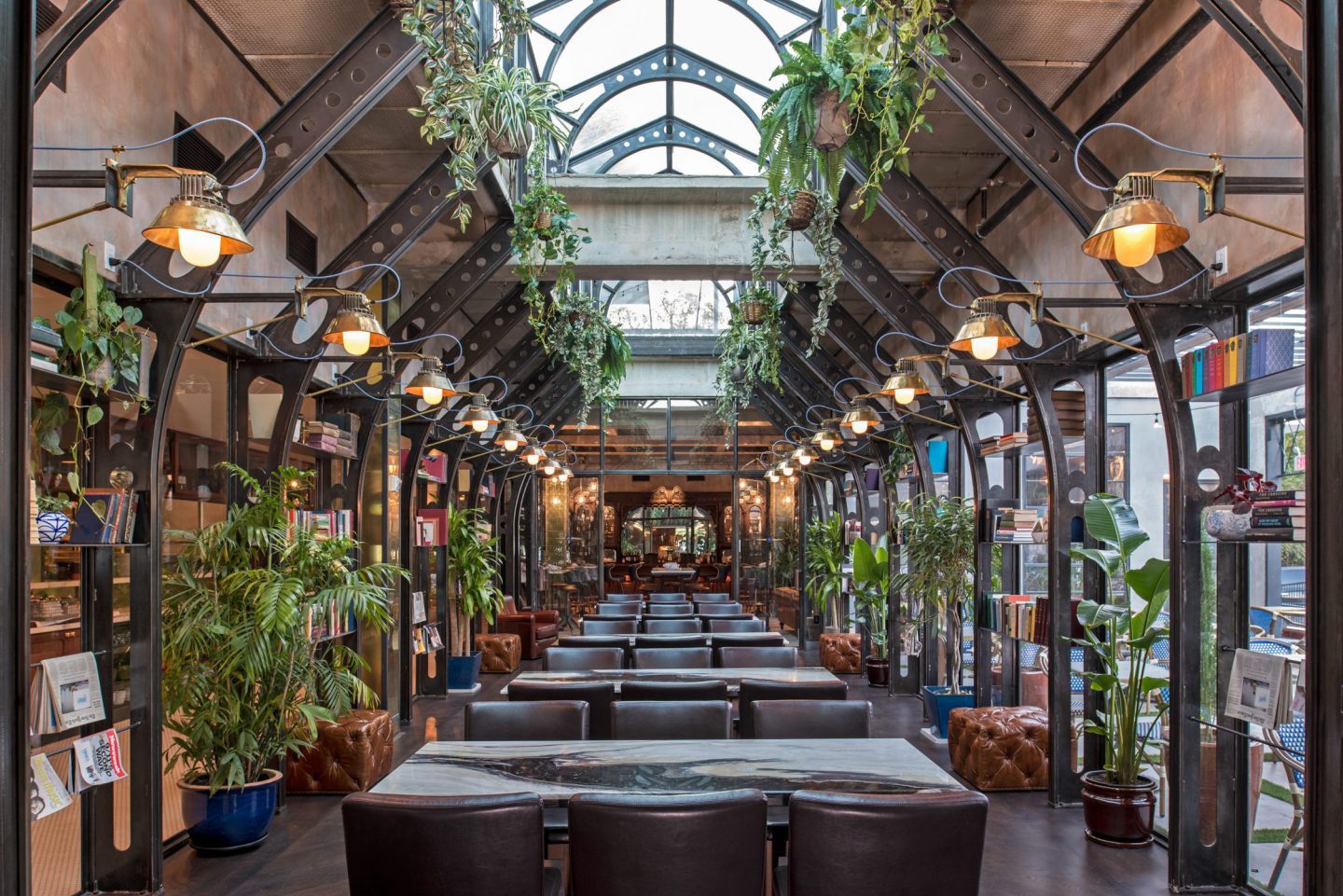
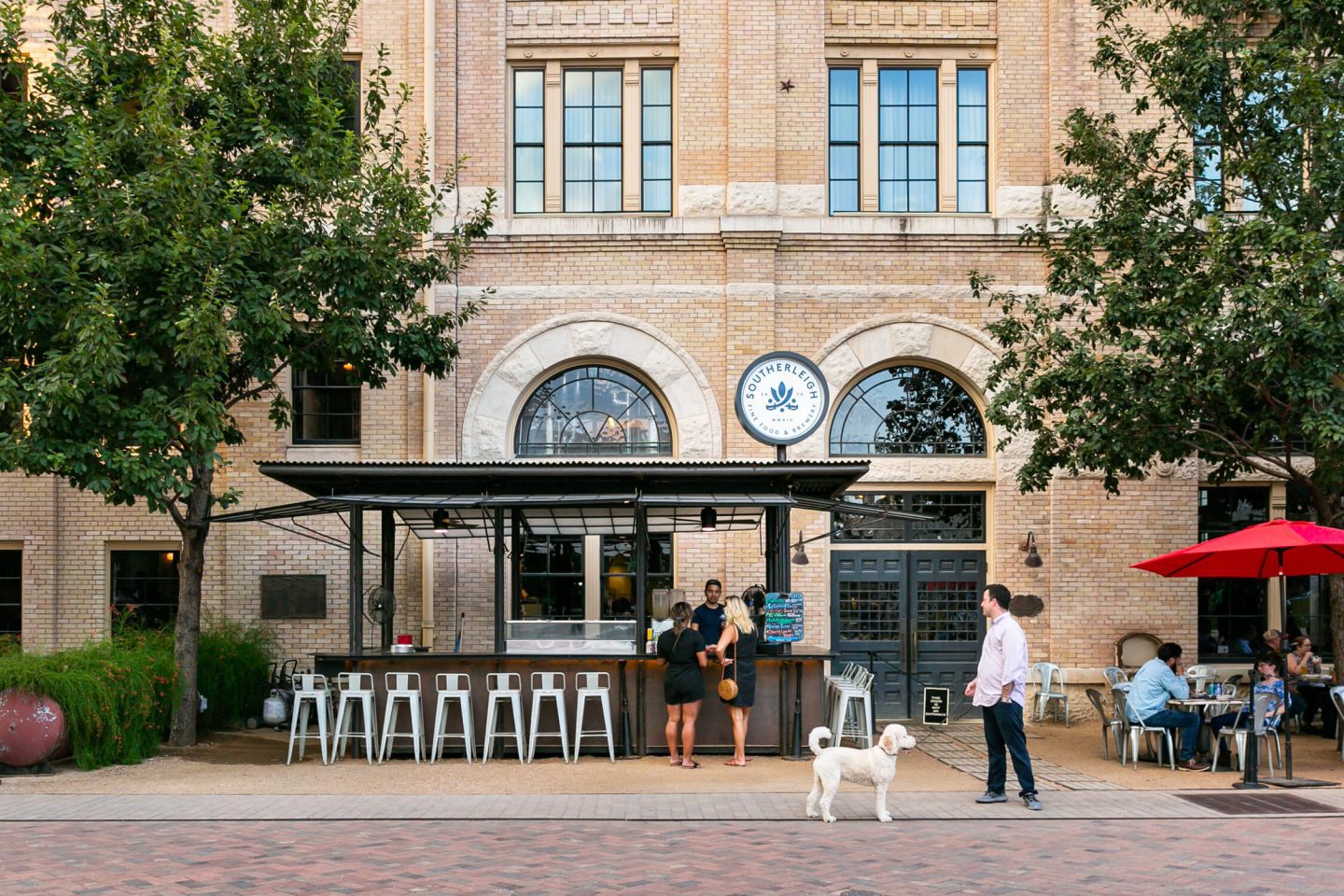
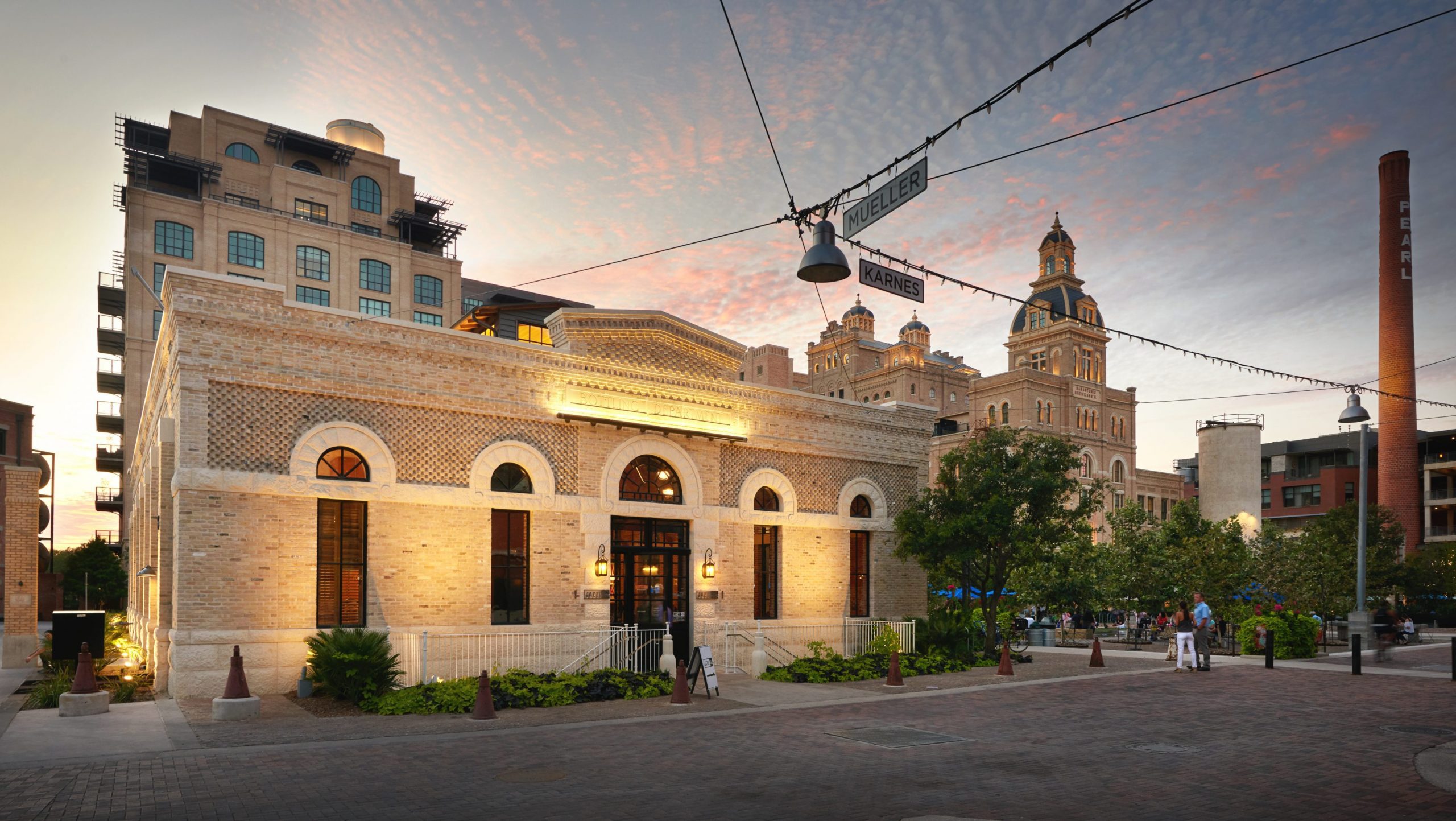
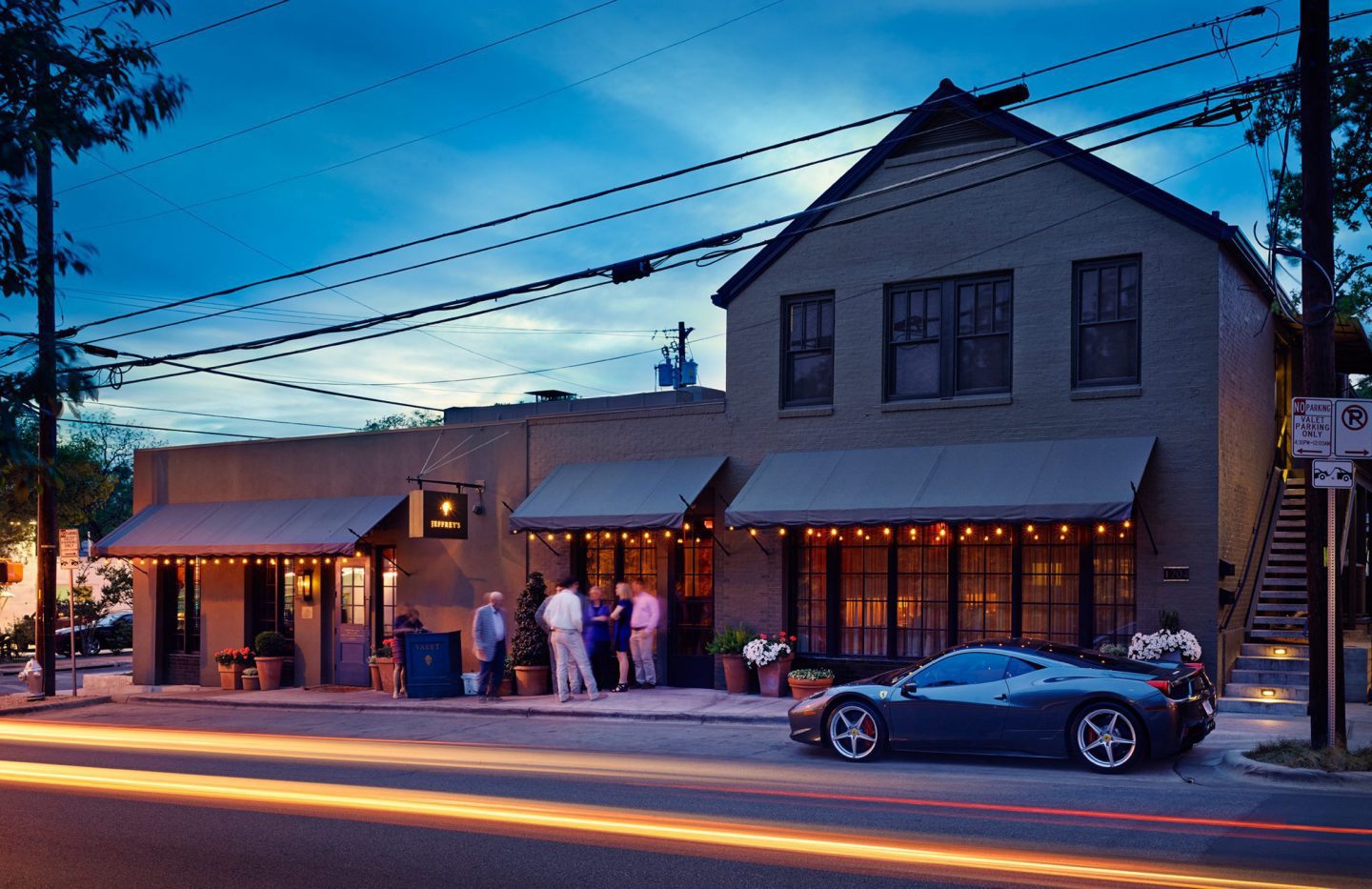
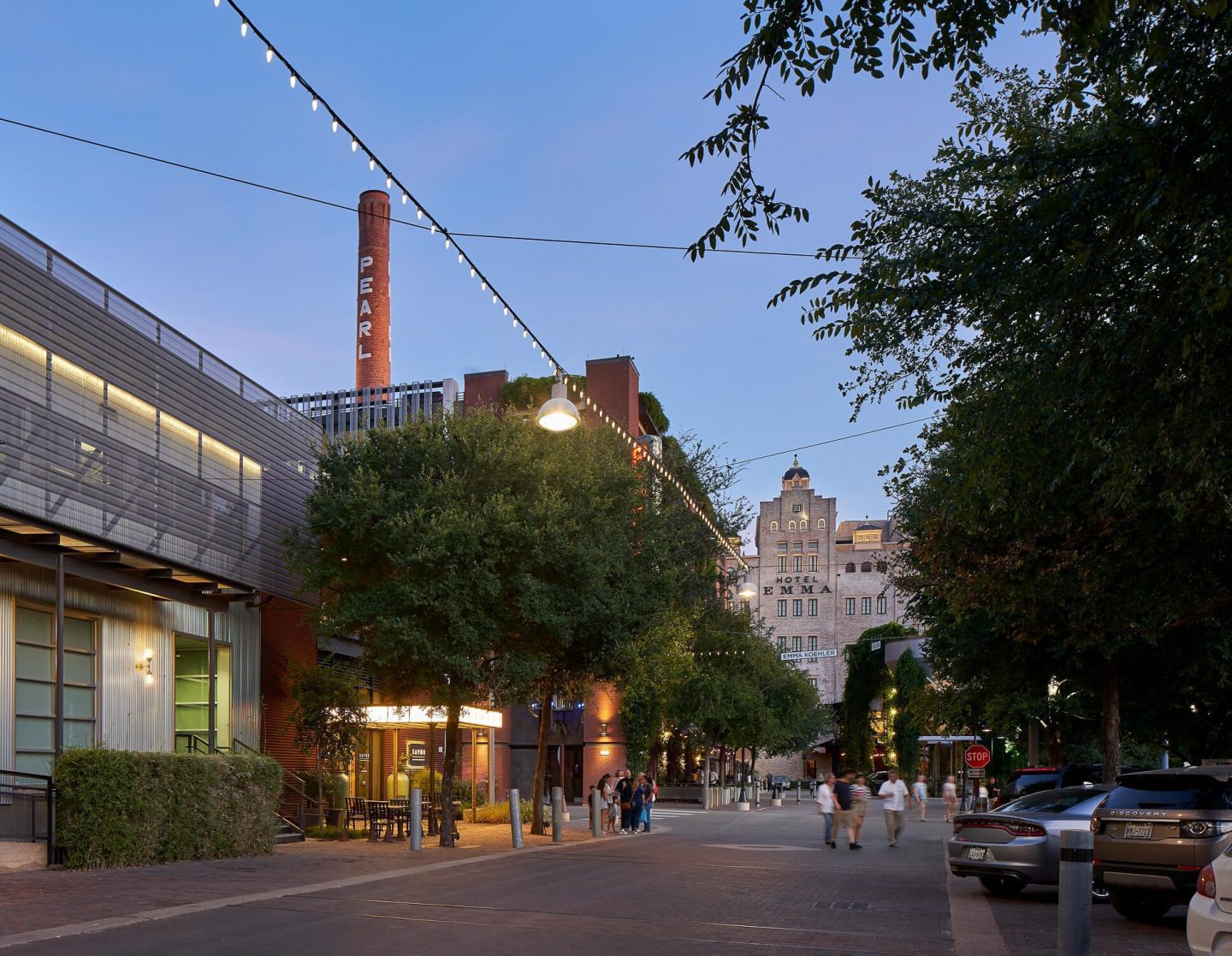
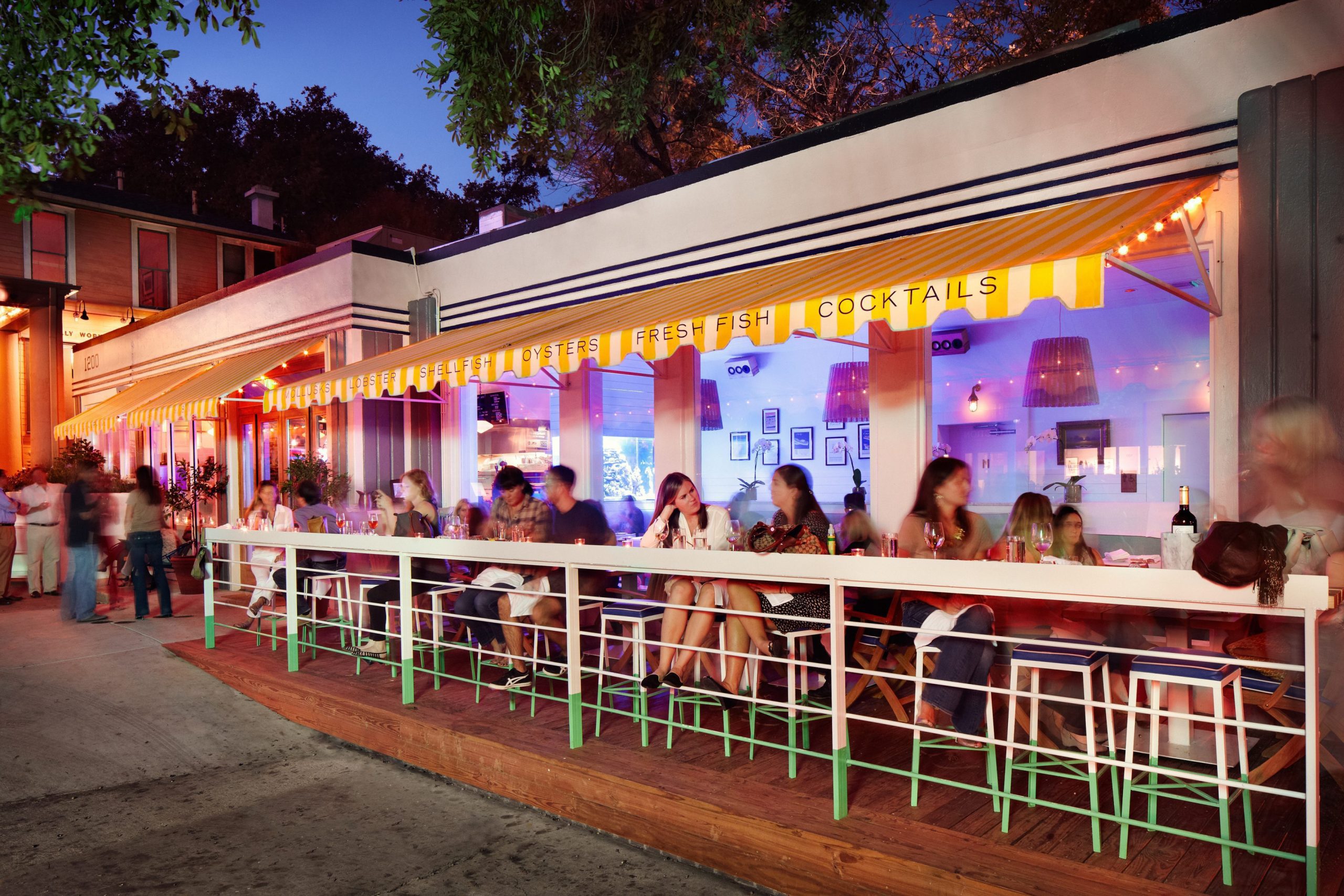
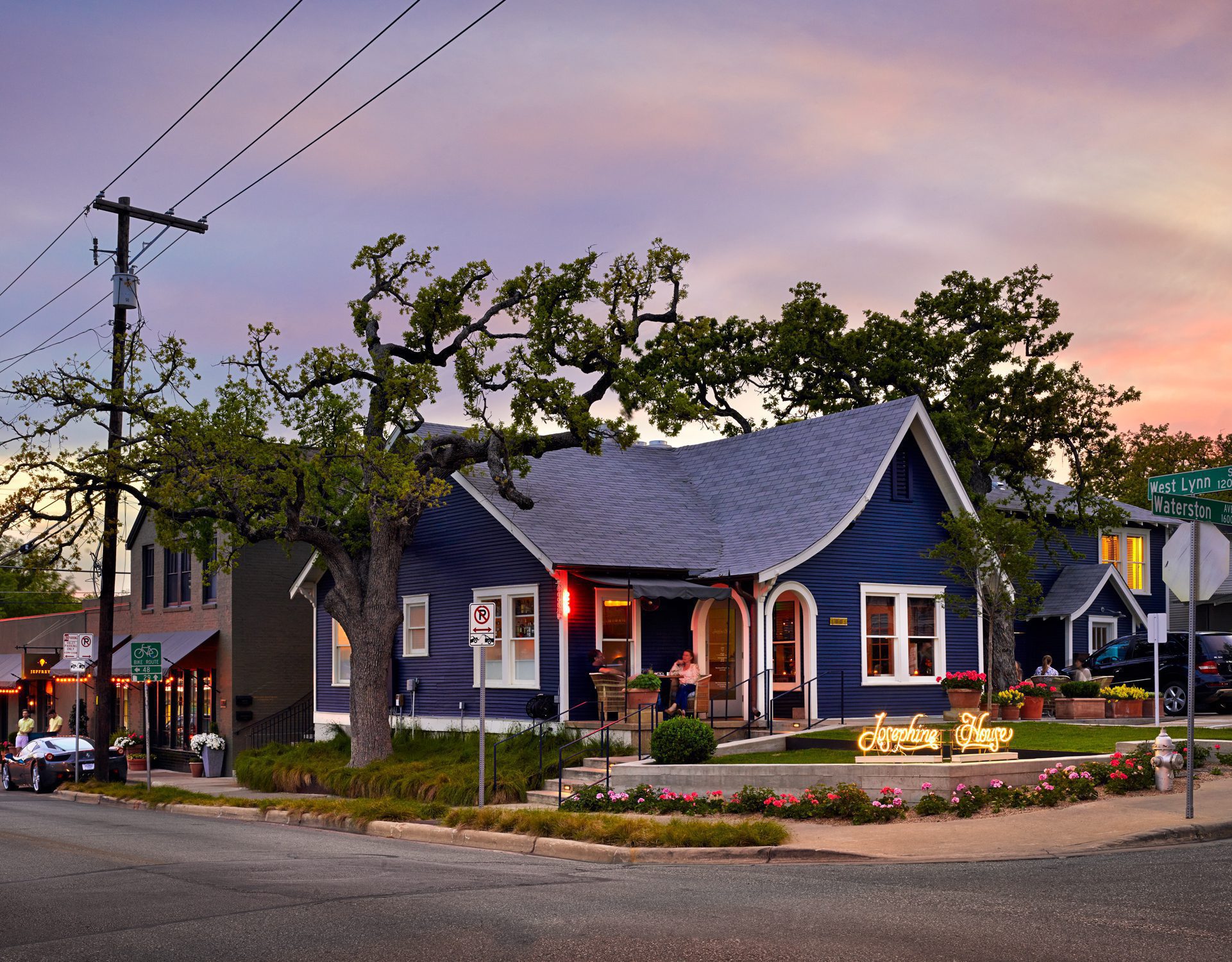
Full portfolio at claytonkorte.com
AI tools, live and in use.
Not prototypes. Working systems, built with the same patience and intention you'd bring to anything meant to last.
Fifteen years learning what clients need before they know they need it. Good craft works that way.
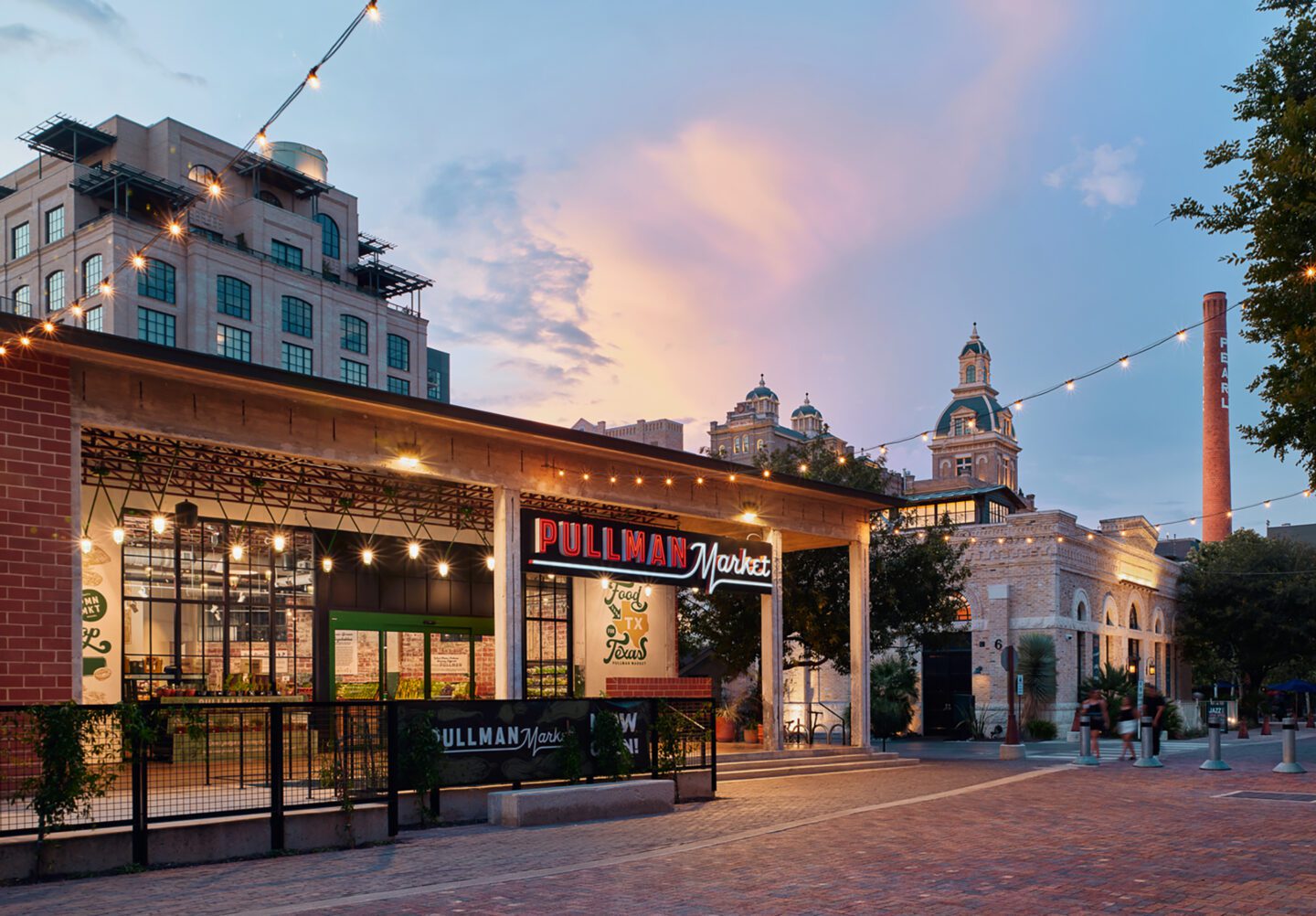
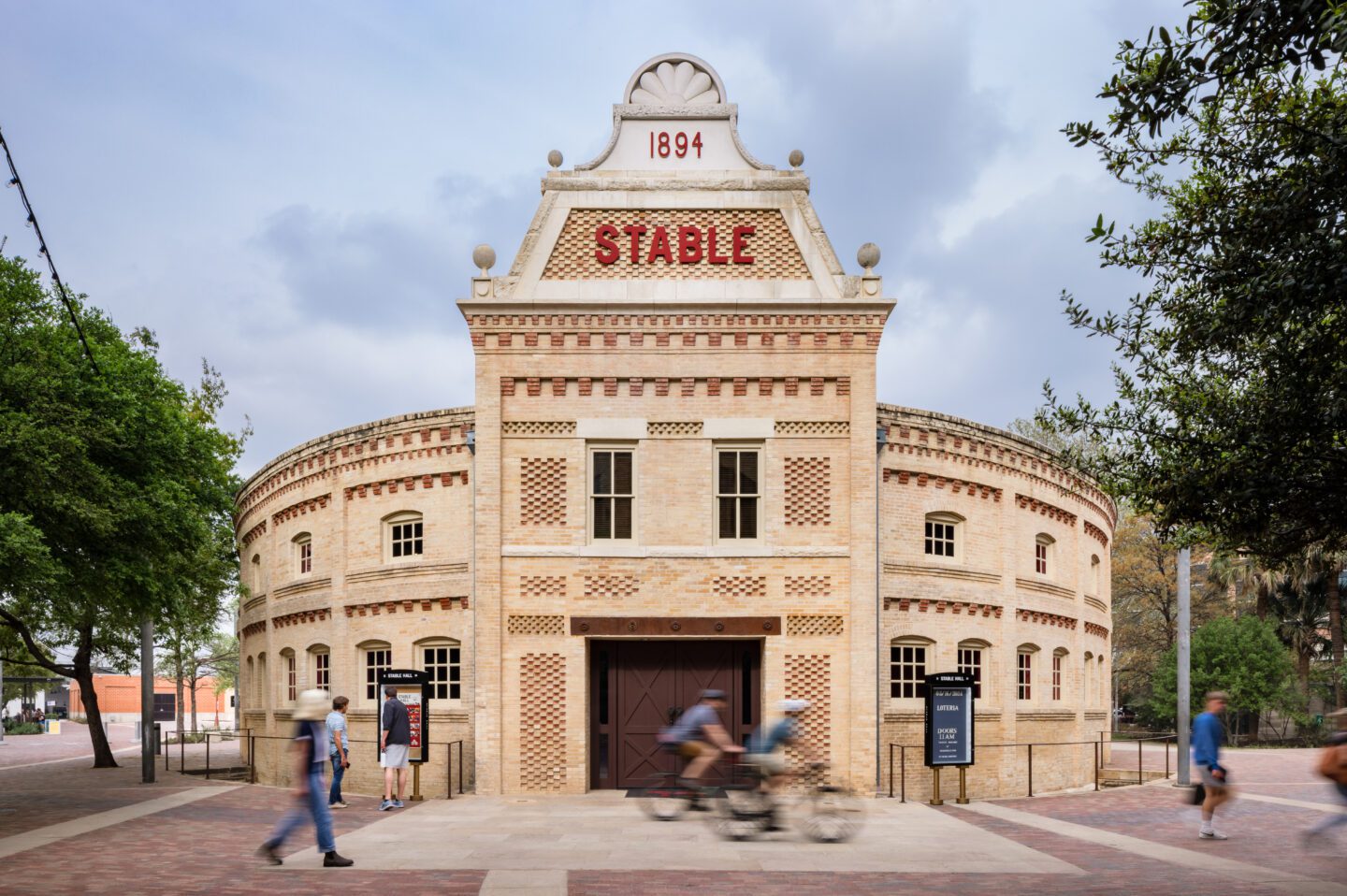
Fifteen years in architecture, five as a partner at Clayton Korte, leading design from concept through construction, owning material and finish selection, and building the documentation standards and delivery frameworks a 35-person firm ran on. My work spans a six-design rowhome catalogue at Mueller, adaptive reuse of historic buildings at the Pearl, and hospitality projects across Austin and San Antonio.
Good design holds up under real constraints: cost, schedule, code, buildability. That's the discipline I bring to every project, whether I'm leading concept design, reviewing someone else's construction documents, or representing a buyer through their first home.
Everything here was built to last. The name is a reminder of that.
The right problem.
I'm currently taking on architecture consulting engagements: third-party drawing, code, and contract review, and buyer's-side architectural guidance. I'm also open to select design leadership roles where craft and construction accountability both matter.
Fifteen years of design judgment, tested against real budgets, real code reviews, and real field conditions. If that's what you need, I'd like to talk.