Appliance Uprising
Hex-grid strategy board game
Appliance Uprising is a browser-based hex-grid strategy game built with Phaser.js, React, and TypeScript. Six kitchen appliance characters (plus three expansion characters) compete on a randomized honeycomb board, collecting resources and building parts. First player to complete all four parts wins.
Development runs through a Telegram-controlled builder agent on self-hosted infrastructure. A /build command triggers code generation, type-checking, build verification, and deployment, all without touching an editor. The browser version doubles as the playtest environment and backer demo for a planned Kickstarter campaign.
Each character has a unique always-on ability and 4 upgrade levels, from Level 0 (base appliance) through Final Form (full robot overlord). Click the level buttons on any card to see the transformation.






Three additional characters for larger games or variant play. Same 4-level progression, distinct ability archetypes.



Count all territories adjacent to your miniature. Draw 1 resource card per adjacent territory from the matching deck. Coffee Commander draws +1 extra from one chosen territory.
(A) Move 1 adjacent hex; cannot enter a hex with an enemy. (B) Play 1 action card from hand and resolve its effect. (C) Build a part: discard the matching resource cards, mark it complete. If this was your 4th part, you win immediately. (D) Pass.
Draw 1 card from the action deck. Blender Bandit draws 2 instead.
If you hold 6 or more action cards, discard down to 5 of your choice. No hand limit for resource cards.
Build in any order. First to complete all 4 wins immediately.
Microwave Mogul: all parts cost 1 less (min 1); wins with 8 cards.








One sample card shown per type. Resource cards (green border) are in production. Card artwork is being generated; the image area of each card will be filled separately.
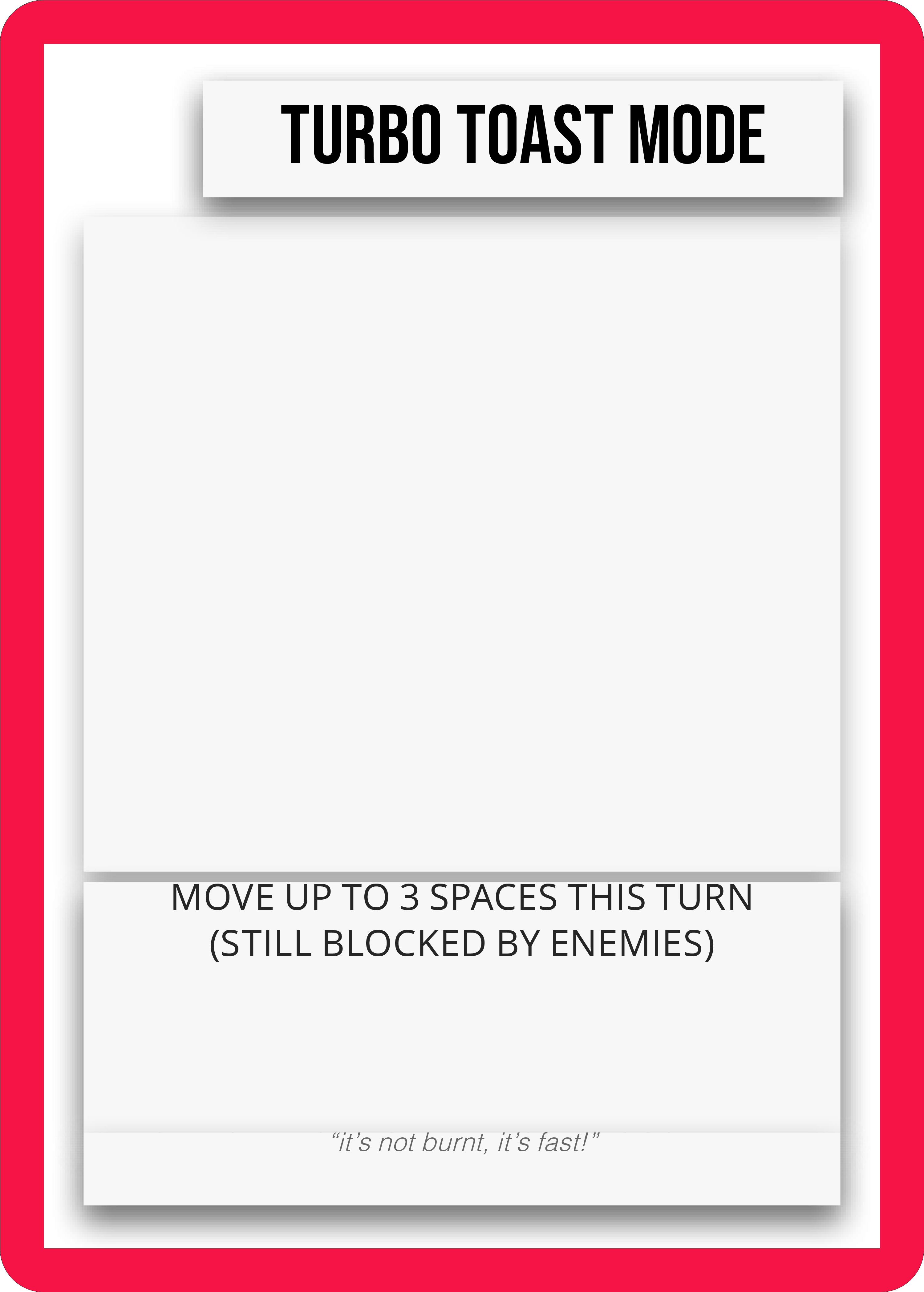
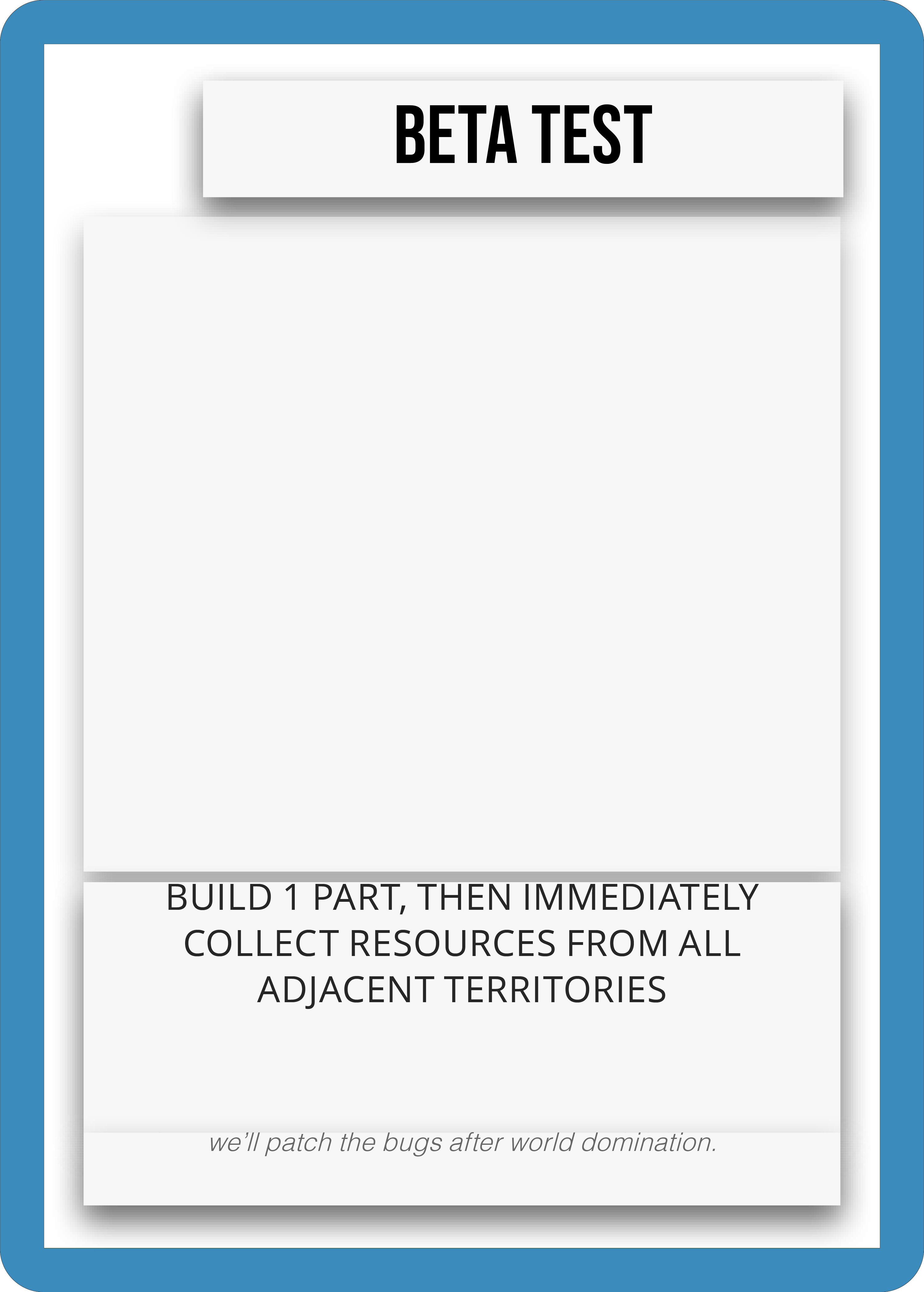
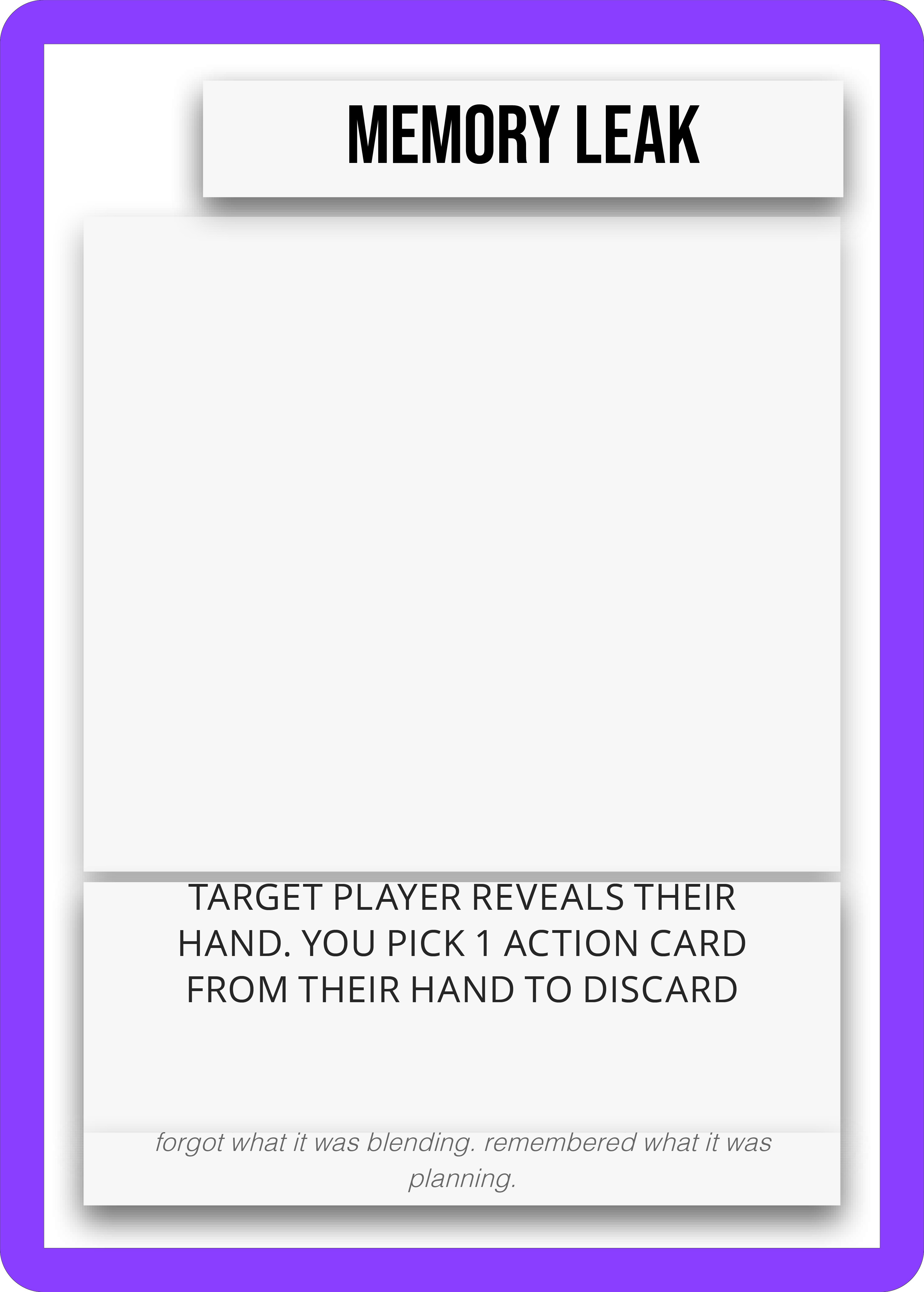
/build command sent to turbo_toaster_bot running in a persistent tmux session on murderbot. Example: /build "add fog of war to hex grid".
Agent pulls latest from GitHub, reads relevant source files, injects the full game spec and task description into the Claude API call.
Claude returns complete replacement file contents. Agent writes files directly: always full file rewrites, never partial patches.
tsc --noEmit runs first. Then npm run build. On failure: full error sent back to Claude, fix applied, retry up to 3 times before flagging blocked.
Clean build triggers git commit with [AU-BUILD] prefix and timestamp. Pushed to main. Vercel deploys automatically.
Agent reports the commit hash and live Vercel preview URL back to Telegram. Full cycle typically completes in under 3 minutes.
The digital version serves as proof of concept and live demo for a physical board game campaign. Kickstarter target of $15K–$40K to fund production: hex tiles, character miniatures, resource cards, action cards, and rulebook. The browser version is the backer demo and playtest environment.